

Volume 14, Issue 3 (Summer 2026)
Pract Clin Psychol 2026, 14(3): 197-210 |
Back to browse issues page




Download citation:
BibTeX | RIS | EndNote | Medlars | ProCite | Reference Manager | RefWorks
Send citation to:


BibTeX | RIS | EndNote | Medlars | ProCite | Reference Manager | RefWorks
Send citation to:
Amini M, Abdolahpur M A, Hamraz I, Ahadi B, Aghajani M, Askaripoor M, et al . Cultural Validation of ICD-11 and DSM-5 Personality Models: Evidence From PiCD-11 and PID-5 in Iran. Pract Clin Psychol 2026; 14 (3) :197-210
URL: http://jpcp.uswr.ac.ir/article-1-1084-en.html
URL: http://jpcp.uswr.ac.ir/article-1-1084-en.html
Mahdi Amini1  , M. Amin Abdolahpur2 , Iman Hamraz3 , Batool Ahadi4 , Mitra Aghajani5, Mahdi Askaripoor6, Ali Ghaedniay Jahromi7, Mozhgan Lotfi *8
, M. Amin Abdolahpur2 , Iman Hamraz3 , Batool Ahadi4 , Mitra Aghajani5, Mahdi Askaripoor6, Ali Ghaedniay Jahromi7, Mozhgan Lotfi *8
1- Department of Addiction, School of Behavioral Sciences and Mental Health (Tehran Institute of Psychiatry), Iran University of Medical Sciences, Tehran, Iran.
2- Department of Psychology, Faculty of Humanistic and Social Science, University of Kurdistan, Sanandaj, Iran.
3- Department of Biostatistics, Faculty of Medicine, Arak University of Medical Sciences, Arak, Iran.
4- Department of Psychology, Faculty of Education and Psychology, Alzahra University, Tehran, Iran.
5- Sharif University of Technology Counseling Center, Sharif University of Technology, Tehran, Iran.
6- Counseling Center of Iran University of Science and Technology, Iran University of Science and Technology, Tehran, Iran.
7- Department of Clinical Psychology, Faculty of Education and Psychology, Shahid Beheshti University, Tehran, Iran.
8- Department of Mental Health, School of Behavioral Sciences and Mental Health, Tehran Institute of Psychiatry, Iran University of Medical Sciences, Tehran, Iran ,lotfi.mo@iums.ac.ir
2- Department of Psychology, Faculty of Humanistic and Social Science, University of Kurdistan, Sanandaj, Iran.
3- Department of Biostatistics, Faculty of Medicine, Arak University of Medical Sciences, Arak, Iran.
4- Department of Psychology, Faculty of Education and Psychology, Alzahra University, Tehran, Iran.
5- Sharif University of Technology Counseling Center, Sharif University of Technology, Tehran, Iran.
6- Counseling Center of Iran University of Science and Technology, Iran University of Science and Technology, Tehran, Iran.
7- Department of Clinical Psychology, Faculty of Education and Psychology, Shahid Beheshti University, Tehran, Iran.
8- Department of Mental Health, School of Behavioral Sciences and Mental Health, Tehran Institute of Psychiatry, Iran University of Medical Sciences, Tehran, Iran ,
Full-Text [PDF 1119 kb]
(86 Downloads)
| Abstract (HTML) (1496 Views)
Discussion
The present study sought to investigate the factorial structure of the ICD-11 model of PDs, to evaluate the psychometric properties of the Persian version of the PiCD, and to compare its external correlates with those of the personality inventory for DSM-5 (PID-5). The research was conducted in an Iranian university-based sample comprising both non-clinical and help-seeking participants, thereby contributing to the expanding literature on dimensional models of personality pathology in non-Western cultural contexts.
Novelty and context of the study
The ICD-11 model of PDs constitutes a relatively recent advancement within the field of psychopathology, and empirical research on its operationalization through instruments, such as the PiCD is still evolving. Existing studies have primarily focused on initial translation and psychometric evaluation in Western and a limited number of non-Western contexts (Bach et al., 2018; Gaebel, 2017).
Cross-cultural validation remains an important issue in personality assessment, as emphasized in previous comparative research on DSM-5 and ICD-11 trait models (Lugo etal., 2019). In this regard, the present study provides preliminary evidence regarding the applicability of the PiCD in an Iranian sample, extending previous findings reported in Iranian and related cultural contexts (Lotfi et al., 2018; Amini et al., 2023). However, these findings should be interpreted as context-specific evidence rather than definitive validation of the model.
Psychometric properties of the PiCD
The results demonstrated acceptable internal consistency for the total PiCD scale and its domains, with Cronbach’s α coefficients ranging from 0.70 to 0.84, while McDonald’s omega values indicated comparable levels of reliability. These findings align with previous psychometric studies of the PiCD conducted in other cultural contexts (Gutiérrez et al., 2021).
The PID-5-BF similarly demonstrated adequate reliability, although slight differences in internal consistency between instruments may reflect differences in scale length and item coverage rather than substantive differences in construct validity (Fossati et al., 2013). Therefore, reliability comparisons should be interpreted cautiously.
External correlates and convergent validity
Correlation analyses demonstrated that PiCD domains were meaningfully associated with personality functioning, psychological distress, impulsivity, and externalizing behaviors. These associations are consistent with the theoretical assumptions of the ICD-11 trait model as well as prior empirical findings (Bach & First, 2018; Amini et al., 2023).
Similar patterns were observed for PID-5-BF, indicating substantial convergence between ICD-11 and DSM-5 trait frameworks in their nomological networks (Bach et al., 2017). Associations with five-factor model traits further provided support for convergent validity, particularly for domains, such as negative affectivity and disinhibition (Bach et al., 2018).
Overall, the results suggest that both models capture similar underlying dimensions of maladaptive personality traits, although differences in effect sizes should not be interpreted as evidence of superiority of one model over the other.
Personality functioning and model integration
Both PiCD and PID-5-BF domains were significantly associated with levels of personality functioning (LPFS-BF), in line with previous research linking pathological personality traits to impairments in self and interpersonal functioning (Hopwood et al., 2018; Hutsebaut et al., 2016).
PID-5-BF domains exhibited slightly stronger associations with personality functioning in the present sample. This pattern may be attributable to conceptual overlap between criterion A and criterion B within the DSM-5 AMPD (Anderson et al., 2018), whereas, in contrast, the ICD-11 model conceptualizes severity and trait expression within a unified framework (Bach & Hutsebaut, 2018; Bach et al, 2017).
From a clinical perspective, the ICD-11 approach may offer a more parsimonious structure by linking trait expression directly to severity of dysfunction. However, the present findings do not provide sufficient evidence to support claims of superior clinical utility for either model.
Factor structure of the PiCD
CFA supported the five-factor structure of the PiCD, including negative affectivity, detachment, dissociality, disinhibition, and Anankastia. Model fit indices indicated acceptable fit across the total sample and subgroup analyses, consistent with previous validation studies of the ICD-11 trait model (Bach et al., 2018; Oltmanns & Widiger, 2018).
Although several items were removed due to low factor loadings, the overall structure remained stable. However, as cross-validation was not conducted in an independent sample, these findings should be interpreted as preliminary evidence of structural validity in an Iranian university-based sample.
Despite the promising findings, several limitations of the study should be acknowledged. First, the use of a university-based and help-seeking sample limits generalizability to clinically diagnosed PD populations. Second, the relatively young age of participants restricts conclusions regarding stable personality pathology across adulthood. Third, the exclusive use of self-report measures may have introduced shared method variance, particularly for sensitive constructs, such as antisocial behavior and substance use. Fourth, the use of brief measures, such as the BFI-10 may have limited the precision of normal personality assessment. Thus, future studies are encouraged to overcome these limitations by utilizing clinically diagnosed samples, applying multi-method assessment approaches, and incorporating more comprehensive personality inventories. In addition, longitudinal and cross-cultural research will be particularly valuable for clarifying the stability and generalizability of ICD-11 trait models.
Conclusion
Overall, the findings support the general applicability of the ICD-11 PD model in a non-Western context. The PiCD demonstrated acceptable reliability and construct validity, with patterns of associations broadly consistent with theoretical expectations.
Rather than indicating superiority over PID-5-BF, the results suggest that both instruments provide complementary perspectives on maladaptive personality traits, with overlapping but not identical patterns of associations across external criteria.
These results add to the accumulating body of evidence supporting dimensional models of personality pathology and underscore the need for continued cross-cultural investigations. Nevertheless, interpretations related to clinical application should be made cautiously in light of the characteristics of the study sample.
Ethical Considerations
Compliance with ethical guidelines
This study was approved by the Research Ethics Committee of Iran University of Medical Sciences, Tehran, Iran (Code: IR.IUMS.REC.1399.1355). All participants provided written informed consent prior to the commencement of the study.
Funding
This research did not receive any grant from funding agencies in the public, commercial, or non-profit sectors.
Authors' contributions
All authors contributed equally to the conception and design of the study, data collection and analysis, interpretation of the results, and drafting of the manuscript. Each author approved the final version of the manuscript for submission.
Conflict of interest
The authors declared no conflicts of interest.
Acknowledgments
The authors gratefully acknowledge the study respondents and the undergraduate students who contributed to the collection of information. Special thanks are extended to the research team members who contributed to the study design and implementation.
References
Abdolahpur, M. A., Rahmani, F., & Isa-Najad, O. (2023). [The mediating influence of stress on personality traits (B) and personality functioning (A) within the alternative model of personality disorders (AMPD) (Persian)]. Journal of Arak University of Medical Sciences, 26(4), 30-36. [Link]
Ali-niyaee, S., Lotfi, M., & Shariat, V. (2024). [Investigation and analysis of personality dysfunction in Persian-language active users of Twitter (Persian)]. MSc thesis. Tehran: Iran University of Medical Sciences.
American Psychiatric Association. (2013). Diagnostic and statistical manual of mental disorders: DSM-5 (Vol. 5). Washington, DC: American Psychiatric Association. [DOI:10.1176/appi.books.9780890425596]
Amini, M., Abdolahpur, M., Lotfi, M., & Masoumian, S. (2023). [Psychometric properties of personality inventory for icd-11: adaptation, reliability, validity, and factorial structure in an Iranian sample (Persian)]. Journal of Ilam University of Medical Sciences, 31(2), 97-109. [Link]
Amini, M., Lotfi, M., Sadeghi, S., & Khorrami, Z. (2018). [Structure and internal consistency evaluation of personality inventory for DSM-5 in an Iranian population (Persian)]. Koomesh Journal, 21(1), 102-108. [Link]
Amini, M., Roshanpajouh, M., Hamraz, I., & Abdolahpur, M. A. (2023). The role of personality traits, personality functioning, traumatic life events, and emotion-regulation difficulties in predicting polysubstance use. Practice in Clinical Psychology, 11(1), 35-44. [DOI:10.32598/jpcp.11.1.854.2]
Anderson, J. L., & Sellbom, M. (2018). Evaluating the DSM-5 Section III personality disorder impairment criteria. Personality Disorders, 9(1), 51–61. [DOI:10.1037/per0000217] [PMID]
Bach, B., Bo, S., & Keeley, J. W. (2022). Diagnostic systems and models: DSM-5 Criteria, ICD-11 guidelines, and dimensional horizons. In G. J. G. Asmundson (Ed.). Comprehensive Clinical Psychology (pp. 36-58). Amsterdam: Elsevier. [DOI:10.1016/B978-0-12-818697-8.00111-4]
Bach, B., & First, M. B. (2018). Application of the ICD-11 classification of personality disorders. BMC Psychiatry, 18(1), 351. [DOI:10.1186/s12888-018-1908-3] [PMID]
Bach, B., Kerber, A., Aluja, A., Bastiaens, T., Keeley, J. W., & Claes, L., et al. (2020). International assessment of dsm-5 and ICD-11 personality disorder traits: toward a common nosology in DSM-5.1. Psychopathology, 53(3-4), 179-188. [DOI:10.1159/000507589] [PMID]
Bach, B., Sellbom, M., Skjernov, M., & Simonsen, E. (2018). ICD-11 and DSM-5 personality trait domains capture categorical personality disorders: Finding a common ground. The Australian and New Zealand Journal of Psychiatry, 52(5), 425–434. [DOI:10.1177/0004867417727867] [PMID]
Bach, B., Sellbom, M., Kongerslev, M., Simonsen, E., Krueger, R. F., & Mulder, R. (2017). Deriving ICD-11 personality disorder domains from dsm-5 traits: Initial attempt to harmonize two diagnostic systems. Acta Psychiatrica Scandinavica, 136(1), 108-117. [DOI:10.1111/acps.12748] [PMID]
Fossati, A., Krueger, R. F., Markon, K. E., Borroni, S., & Maffei, C. (2013). Reliability and validity of the personality inventory for DSM-5 (PID-5) predicting DSM-IV personality disorders and psychopathy in community-dwelling Italian adults. Assessment, 20(6), 689-708. [DOI:10.1177/1073191113504984] [PMID]
Gaebel, W., Zielasek, J., & Reed, G. M. (2017). Mental and behavioural disorders in the ICD-11: Concepts, methodologies, and current status. Psychiatria Polska, 51(2), 169–195. [DOI:10.12740/PP/69660] [PMID]
Gutiérrez, F., Aluja, A., Ruiz, J., García, L. F., Gárriz, M., & Gutiérrez-Zotes, A., et al. (2021). Personality disorders in the ICD-11: Spanish validation of the PiCD and the SASPD in a mixed community and clinical sample. Assessment, 28(3), 759–772.[DOI:10.1177/1073191120936357] [PMID]
Hayward, M., & Moran, P. (2008). Comorbidity of personality disorders and mental illnesses. Psychiatry, 7(3), 102-104. [DOI:10.1016/j.mppsy.2008.01.010]
Hopwood, C. J., Kotov, R., Krueger, R. F., Watson, D., Widiger, T. A., & Althoff, R. R., et al. (2018). The time has come for dimensional personality disorder diagnosis. Personality and Mental Health, 12(1), 82-86. [DOI:10.1002/pmh.1408] [PMID]
Hutsebaut, J., Feenstra, D. J., & Kamphuis, J. H. (2016). Development and preliminary psychometric evaluation of a brief self-report questionnaire for the assessment of the DSM-5 level of personality functioning scale: The LPFS brief form (LPFS-BF). Personality Disorders, 7(2), 192-197. [DOI:10.1037/per0000159] [PMID]
Javid, M., Mohammadi, N., & Rahimi, C. (2012). [Psychometric properties of an Iranian version of the Barratt impulsiveness scale-11 (BIS-11) (Persian)]. Psychological Models and Methods, 2(8), 23-34. [Link]
Köhne, A. C. J., & Isvoranu, A.-M. (2021). A network perspective on the comorbidity of personality disorders and mental disorders: an illustration of depression and borderline personality disorder. Frontiers in Psychology, 12, 680805. [DOI:10.3389/fpsyg.2021.680805] [PMID]
Krueger, R. F., Derringer, J., Markon, K. E., Watson, D., & Skodol, A. E. (2012). Initial construction of a maladaptive personality trait model and inventory for DSM-5. Psychological Medicine, 42(9), 1879–1890. [DOI:10.1017/S0033291711002674] [PMID]
Lotfi, M., Bach, B., Amini, M., & Simonsen, E. (2018). Structure of DSM-5 and ICD-11 personality domains in Iranian community sample. Personality and Mental Health, 12(2), 155-169. [DOI:10.1002/pmh.1409] [PMID]
Lugo, V., de Oliveira, S. E. S., Hessel, C. R., Monteiro, R. T., Pasche, N. L., & Pavan, G., et al. (2019). Evaluation of DSM-5 and ICD-11 personality traits using the personality inventory for DSM-5 (PID-5) in a Brazilian sample of psychiatric inpatients. Personality and Mental Health, 13(1), 24-39. [DOI:10.1002/pmh.1436] [PMID]
Miller, J. D., & Lynam, D. R. (2003). Psychopathy and the five-factor model of personality: A replication and extension. Journal of Personality Assessment, 81(2), 168–178. [DOI:10.1207/S15327752JPA8102_08] [PMID]
Mohammadzadeh, A., & Najafi, M. (2010). [Validating of the big five inventory (BFI-10): A very brief measure of the five factor personality model (Persian)]. Quarterly of Educational Measurement, 1(2), 117-130. [Link]
Morey, L. C., Good, E. W., & Hopwood, C. J. (2022). Global personality dysfunction and the relationship of pathological and normal trait domains in the DSM-5 alternative model for personality disorders. Journal of Personality, 90(1), 34–46. [DOI:10.1111/jopy.12560] [PMID]
Najarian, B., & Davoodi, I. (2001). Construction and validation of a short form of the SCL-90-R (SCL-25). Journal of Psychology, 18, 250-261. [Link]
Oldham, J. M. (2015). The alternative DSM-5 model for personality disorders. World Psychiatry, 14(2), 234-236. [DOI:10.1002/wps.20232] [PMID]
Oltmanns, J. R., & Widiger, T. A. (2018). A self-report measure for the ICD-11 dimensional trait model proposal: The personality inventory for ICD-11. Psychological Assessment, 30(2), 154–169. [DOI:10.1037/pas0000459] [PMID]
Patton, J. H., Stanford, M. S., & Barratt, E. S. (1995). Factor structure of the Barratt impulsiveness scale. Journal of Clinical Psychology, 51(6), 768–774. [DOI:10.1002/1097-4679(199511)51:63.0.CO;2-1] [PMID]
Rammstedt, B., & John, O. P. (2007). Measuring personality in one minute or less: A 10-item short version of the big five inventory in English and German. Journal of Research in Personality, 41(1), 203-212. [DOI:10.1016/j.jrp.2006.02.001]
Schumacker, R. E. (2014). Learning statistics using R. New York City: Sage Publications. [Link]
Widiger, T. A., & Trull, T. J. (2007). Plate tectonics in the classification of personality disorder: Shifting to a dimensional model. The American Psychologist, 62(2), 71–83. [DOI:10.1037/0003-066X.62.2.71] [PMID]
Winsper, C., Bilgin, A., Thompson, A., Marwaha, S., Chanen, A. M., & Singh, S. P., et al. (2020). The prevalence of personality disorders in the community: A global systematic review and meta-analysis. The British Journal of Psychiatry: The Journal of Mental Science, 216(2), 69–78. [DOI:10.1192/bjp.2019.166] [PMID]
World Health Organization. (2021). International statistical classification of diseases and related health problems (ICD). Geneva: World Health Organization. [Link]
Full-Text: (61 Views)
Introduction
Personality disorders (PDs) are common mental health conditions associated with substantial psychological, interpersonal, and functional impairments. Epidemiological evidence suggests that approximately 7–8% of the general population meet diagnostic criteria for a PD, with considerably higher rates reported among psychiatric populations (Winsper et al., 2020). PDs are also frequently associated with other psychiatric disorders and adverse psychosocial outcomes, contributing to a significant public health burden (Hayward & Moran, 2008; Köhne & Isvoranu, 2021). Consequently, the assessment and conceptualization of personality pathology have remained central concerns. Traditionally, PDs were conceptualized using categorical diagnostic systems, such as earlier editions of the diagnostic and statistical manual of mental disorders (DSM) (APA, 2013). However, persistent concerns regarding excessive diagnostic comorbidity, within-category heterogeneity, temporal instability, and limited empirical support for categorical thresholds prompted increasing interest in dimensional conceptualizations of personality pathology (Bach et al., 2015; Widiger & Trull, 2007). These developments contributed to the introduction of the alternative model for (AMPD) in DSM-5 section III (Morey et al., 2020).
Within the AMPD framework, PDs are conceptualized through two interconnected dimensions: Criterion A, which assesses impairments in self and interpersonal functioning, and criterion B, which captures maladaptive personality trait characteristics (Anderson et al., 2018). This dimensional framework has been considered a clinically and empirically informative alternative to categorical diagnosis and has contributed to contemporary perspectives on personality pathology (Hopwood et al., 2018; Lugo et al., 2019).
Parallel to these developments, the 11th edition of the international classification of diseases (ICD-11) introduced a dimensional model for PDs intended to address several limitations associated with the ICD-10 categorical approach (WHO, 2021). The ICD-11 model evaluates personality pathology in terms of severity and five maladaptive trait domains: negative affectivity, detachment, dissociality, disinhibition, and anankastia (Bach & First, 2018). Although the ICD-11 trait domains show substantial conceptual overlap with the DSM-5 AMPD trait model, notable structural differences remain, including the absence of psychoticism in ICD-11 and the inclusion of Anankastia as a distinct domain (Bach et al., 2017; Bach et al., 2018).
A number of self-report instruments have been introduced to assess these dimensional frameworks, among which the Personality Inventory for DSM-5 (PID-5) and the personality inventory for ICD-11 (PiCD) are the most widely recognized (Oltmanns, 2018). Existing research has generally supported the psychometric adequacy of these instruments across different cultural settings, including studies conducted in Iran (Abdolahpur, 2023; Amini et al., 2023; Bach et al., 2020; Fossati, 2013; Lotfi et al., 2018). Nevertheless, empirical investigations of the ICD-11 model and the PiCD remain relatively limited compared with the broader literature on the DSM-5 AMPD, particularly in non-Western populations (Gutiérrez et al., 2021; Oltmanns, 2018). Additional cross-cultural research may therefore help clarify the applicability and contextual relevance of these dimensional models across diverse settings.
Although previous research has investigated the structural features of the ICD-11 and DSM-5, comparatively limited attention has been given to their relationships with clinically meaningful external variables, including internalizing symptoms, such as anxiety and depression, as well as externalizing tendencies, such as impulsive behavior. Investigating these associations may contribute further evidence regarding the convergent and discriminant validity of dimensional personality assessment models.
Accordingly, the current study sought to evaluate the psychometric properties of the PiCD in an Iranian mixed sample and to examine its relationships with external correlates in comparison with the PID-5. Rather than evaluating the superiority of one model over another, this study aimed to provide culturally informed evidence regarding the utility and correlational patterns of ICD-11 and DSM-5 dimensional personality assessments within a non-Western context.
Materials and Methods
This cross-sectional study was conducted with the participation of 347 individuals recruited from public universities in Tehran, Iran, consisting of 206 non-clinical participants (Mage=22.26, SD=3.51; 59.22% women) and 141 participants in the help-seeking subgroup (Mage=23.69, SD=3.18; 65.95% women). To avoid overinterpretation of clinical status, the term “help-seeking subgroup” was used throughout the manuscript instead of “clinical group.” Participants in this subgroup were students who had sought psychological services at university counseling centers due to emotional, interpersonal, or behavioral concerns. Participants were not recruited based on confirmed PD diagnoses. All participants were native Persian speakers.
Participants were selected through convenience sampling using public advertisements and referrals from university counseling centers. Before participation, all individuals received information regarding the study objectives and procedures, and written informed consent was obtained prior to completion of the paper-based questionnaires. Ethical approval for the study was granted by the Research Ethics Committee of Iran University of Medical Sciences. Participation was entirely voluntary, and confidentiality of participant information was preserved throughout the research process.
Formal structured diagnostic interviews (e.g. SCID-5-PD) were not administered as part of the recruitment or assessment process. Therefore, findings related to the help-seeking subgroup should be interpreted cautiously and should not be generalized to individuals with formally diagnosed PDs. Given the relatively young age of the participants, the findings are best interpreted within the context of dimensional personality traits in young adulthood rather than stable personality pathology across the lifespan.
Study instruments
The following validated instruments were administered to assess personality traits, personality functioning, and external correlates:
Demographic form
Participants completed a short demographic questionnaire that collected information on their race, gender, and age.
Personality inventory for ICD-11
The personality inventory for ICD-11 (PiCD) (Oltmanns, 2018) is a 60-item self-report instrument developed to evaluate five maladaptive personality trait domains derived from the ICD-11 dimensional framework. Responses are scored on a 5-point Likert scale ranging from 1 (strongly disagree) to 5 (strongly agree). Previous Iranian research has reported acceptable internal consistency for the Persian version of the instrument, with Cronbach’s α values ranging from 0.73 for dissociality to 0.82 for negative affectivity (Amini et al., 2023).
Personality inventory for DSM-5–brief form
The personality inventory for DSM-5–brief form (PID-5-BF) (Krueger et al., 2012) is a 25-item self-report instrument designed to evaluate five maladaptive personality trait domains associated with the DSM-5 AMPD. Items are scored using a 4-point Likert scale ranging from 0 (very false) to 3 (very true). Prior studies have provided evidence supporting the reliability and validity of the Persian version of the PID-5-BF (Amini et al., 2018).
Big five inventory–10
The big five inventory–10 (BFI-10) (Rammstedt, 2007) is a short 10-item measure based on the five-factor model of personality. It evaluates the domains of neuroticism, extraversion, openness, agreeableness, and conscientiousness. Previous research has demonstrated acceptable psychometric characteristics, including satisfactory convergent validity and test–retest reliability. Comparable findings have also been documented in Iranian populations (Mohammad zadeh & Najafi, 2010).
Level of personality functioning scale–brief form 2.0
The level of personality functioning scale–brief form 2.0 (LPFS-BF 2.0) (Hutsebaut, 2016) is a 12-item self-report measure developed to assess personality functioning across four domains, including identity, self-direction, empathy, and intimacy. Responses are scored on a 4-point scale ranging from 1 (completely untrue) to 4 (completely true). Earlier psychometric studies have supported the reliability and construct validity of the instrument. In an Iranian sample, Ali-niyaee et al. (2024) reported satisfactory internal consistency for both self-functioning and interpersonal functioning dimensions.
Symptom checklist–25
The symptom checklist–25 (SCL-25) (Najarian, 2001) is an abbreviated form of the SCL-90 designed to evaluate general psychological symptoms in non-hospitalized psychiatric populations. Previous studies conducted in Iran have reported favorable construct validity and strong internal consistency for the Persian version of the instrument.
Barratt impulsiveness scale–11
The Barratt impulsiveness scale–11 (BIS-11) (Patton et al., 1995) is a well-established instrument used to assess impulsivity across three domains: attentional impulsivity, motor impulsivity, and non-planning impulsivity. The Persian version of the scale has demonstrated adequate reliability and support for its three-factor structure (Javid et al., 2012).
Crime and analogous behavior scale
The crime and analogous behavior scale (CAB) (Miller & Lynam, 2003) is a self-report measure designed to assess externalizing and antisocial behaviors. In the present study, two composite indices were derived, including a lifetime drug-use variety score and an antisocial behavior variety score. Higher scores indicated greater endorsement of externalizing behaviors.
Statistical analysis
Descriptive statistics, including means, standard deviations, Cronbach’s α and McDonald’s omega, were computed for all study variables. Pearson correlation analyses were performed to examine the relationships among PiCD domains, PID-5 traits, and external correlates. Hierarchical regression analyses were conducted to assess the predictive contributions of PiCD and PID-5 domains. In addition, confirmatory factor analysis (CFA) was carried out to evaluate the factorial structure of the PiCD.
Because only a small number of responses were missing for three CAB items, missing values were replaced using mean substitution procedures (Schumacker, 2014). All statistical analyses were conducted using SPSS software, version 23, AMOS software, version 24, and R software, version 4.0.
Results
Descriptive analysis
Table 1 presents the sociodemographic characteristics of the study sample, including age, education level, and marital status.
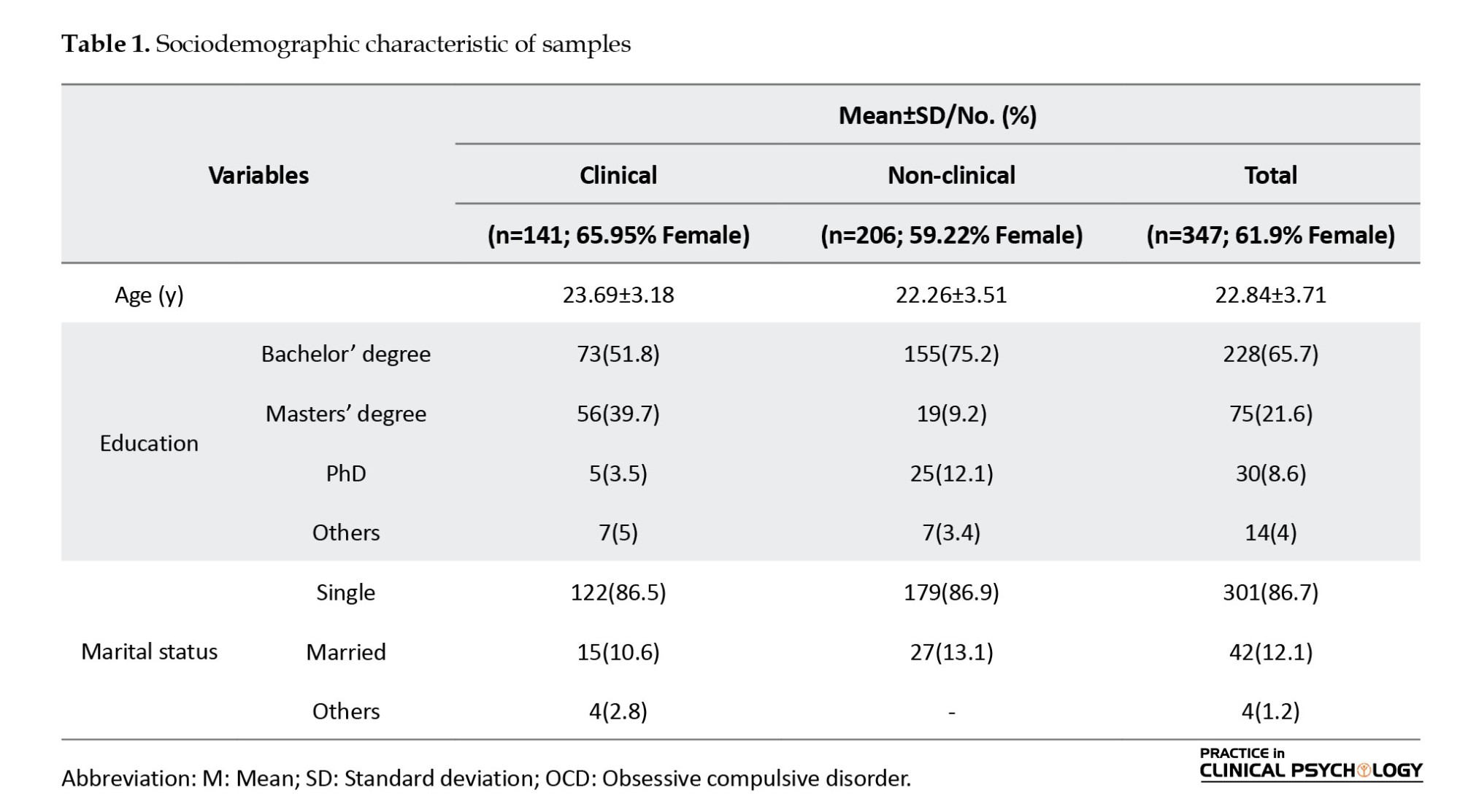
The total sample consisted of 347 participants (61.9% women) with a Mean±SD age of 22.84±3.71 years. The non-clinical group included 206 participants, while 141 participants were recruited from university counseling centers and classified as a help-seeking group (not formally diagnosed clinical cases). The two groups showed broadly similar distributions across educational level and marital status.
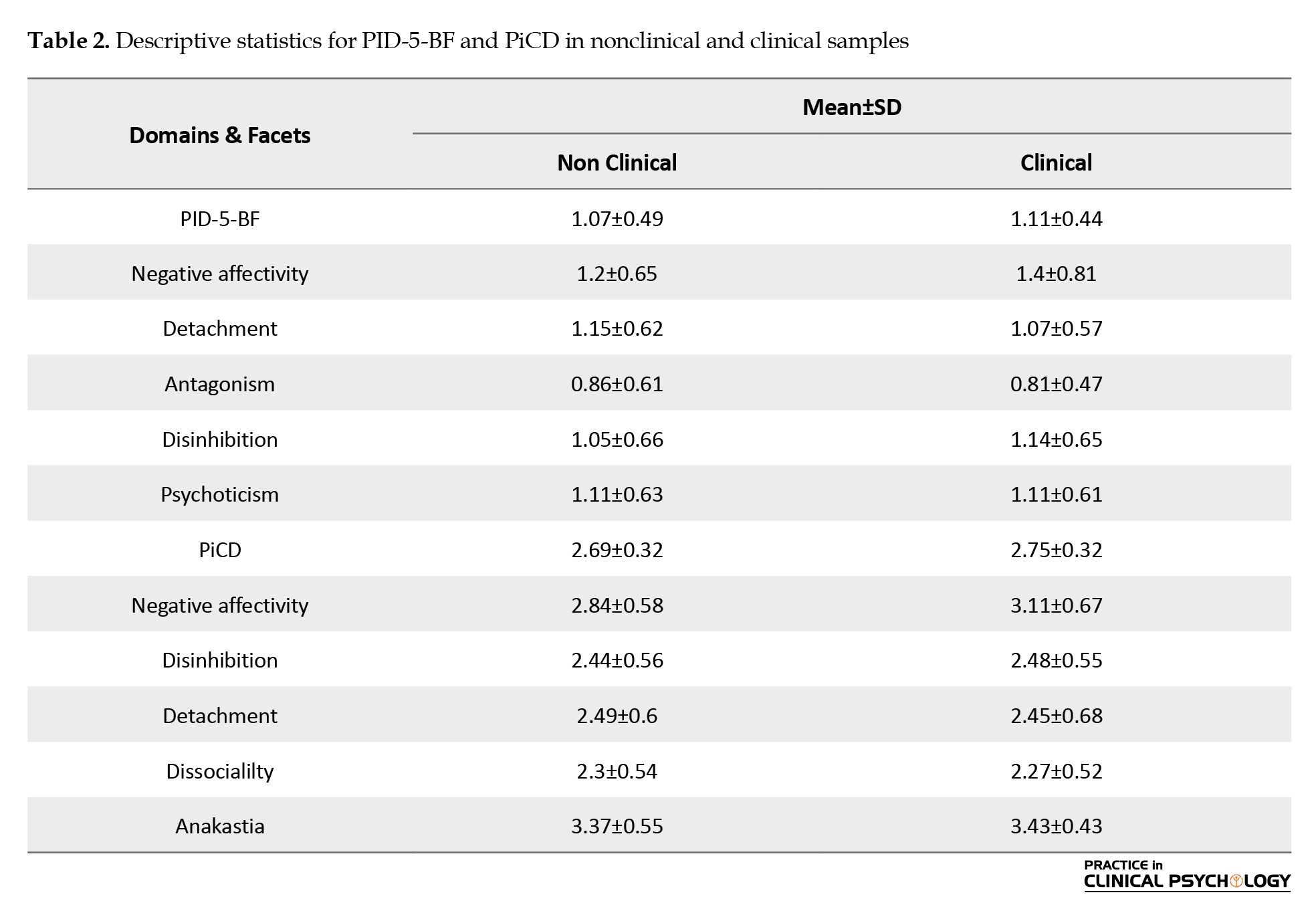
Table 2 presents descriptive statistics for PID-5-BF and PiCD domains in both non-clinical and help-seeking subgroups.
Internal consistency
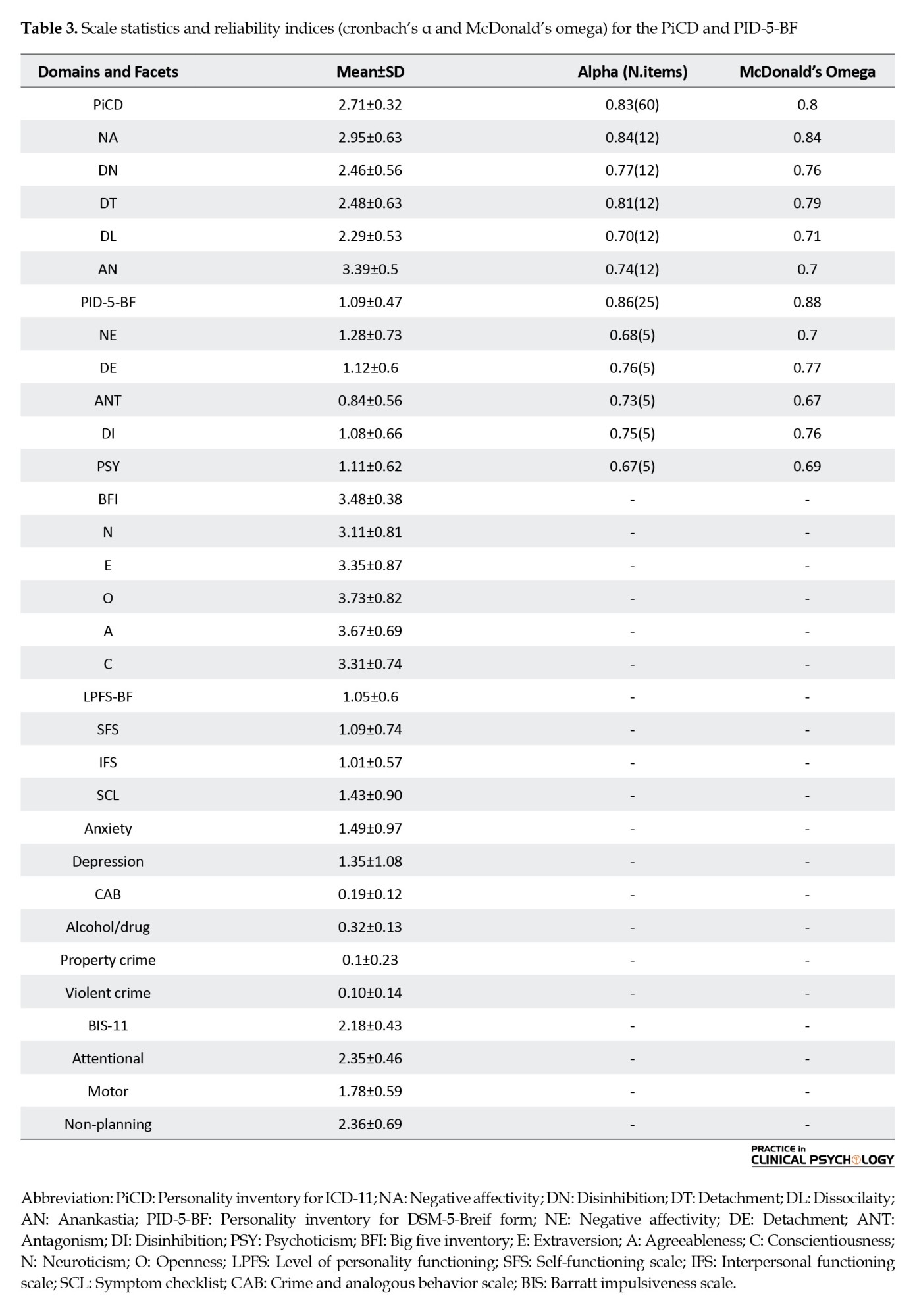
Internal consistency was evaluated using Cronbach’s α and McDonald’s omega coefficients. For the PiCD, alpha coefficients ranged from 0.7 (dissociality) to 0.84 (negative affectivity), with an overall alpha of 0.83. Omega coefficients indicated similar levels of reliability (ω=0.8 overall). For the PID-5-BF, alpha coefficients ranged from 0.67 (psychoticism) to 0.76 (detachment), with an overall alpha of 0.86. Omega coefficients also indicated acceptable reliability (ω=0.88). In overall, both instruments showed acceptable levels of internal consistency in the present sample
Correlation analysis
Pearson correlation analyses were performed to assess the associations between PiCD and PID-5-BF domains and external variables, including Big Five personality traits, personality functioning, psychological symptoms, impulsivity, and externalizing behaviors.
In Table 3 scale statistics and reliability indices for the PiCD and PID-5-BF.
As shown in Tables 4 and 5, PiCD domains were significantly associated with personality functioning (LPFS-BF), psychological symptoms (SCL-25), and impulsivity (BIS-11).
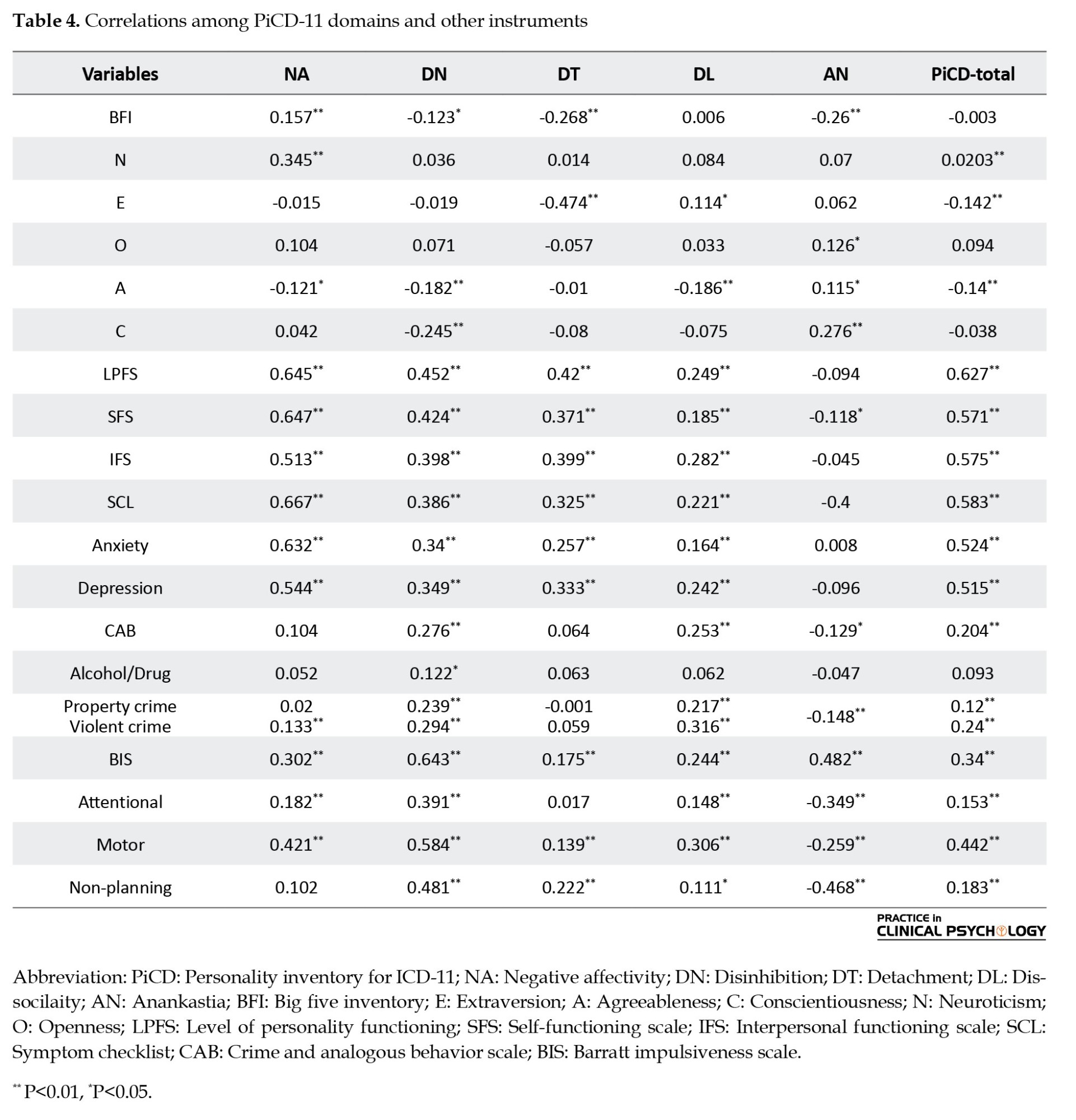
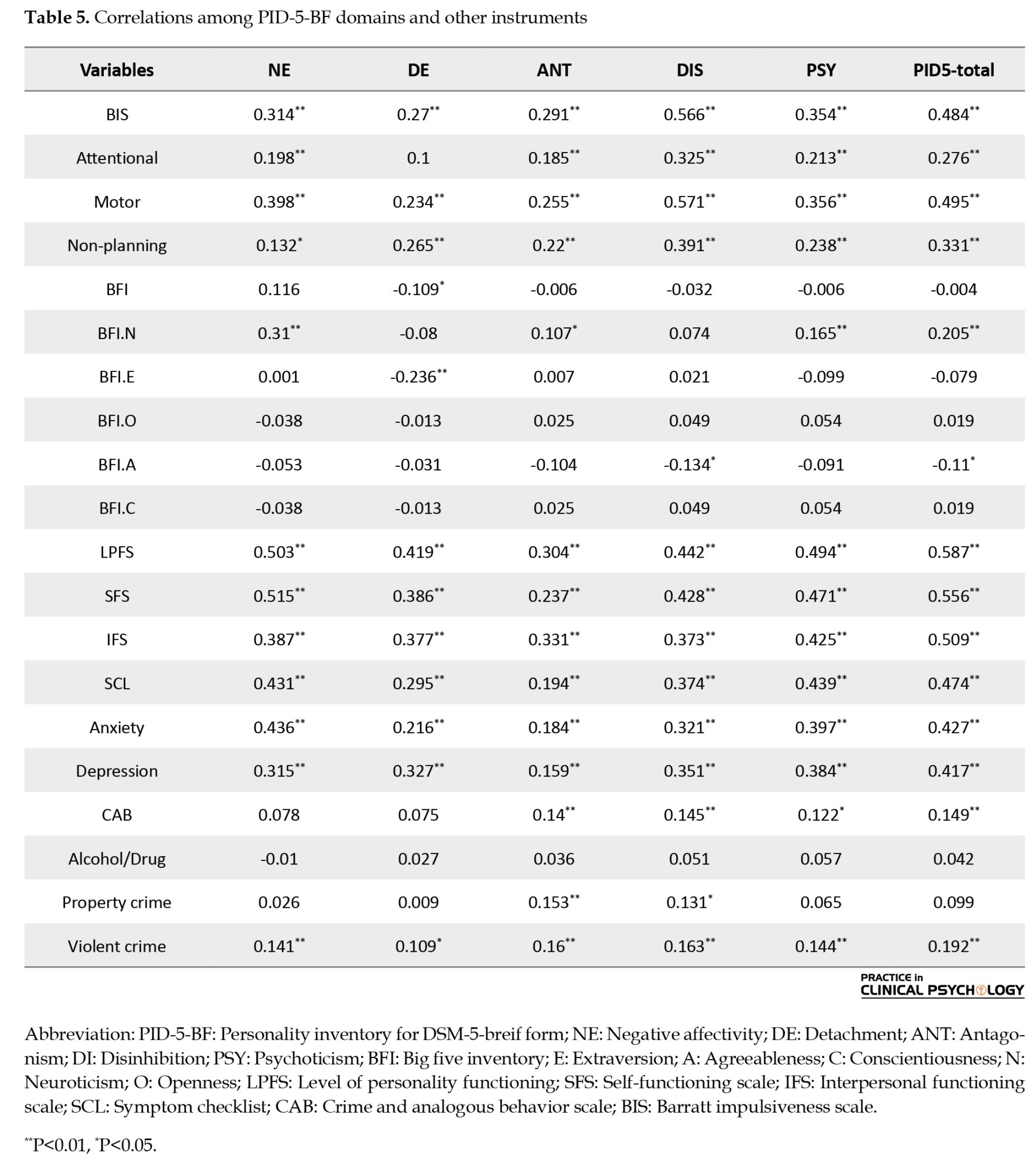
In general, stronger associations were observed with personality dysfunction and distress-related variables. Similarly, PID-5-BF domains showed significant associations with these external correlates.
Overall, both instruments showed broadly similar patterns of associations, with some differences in effect sizes across domains.
Hierarchical regression analysis
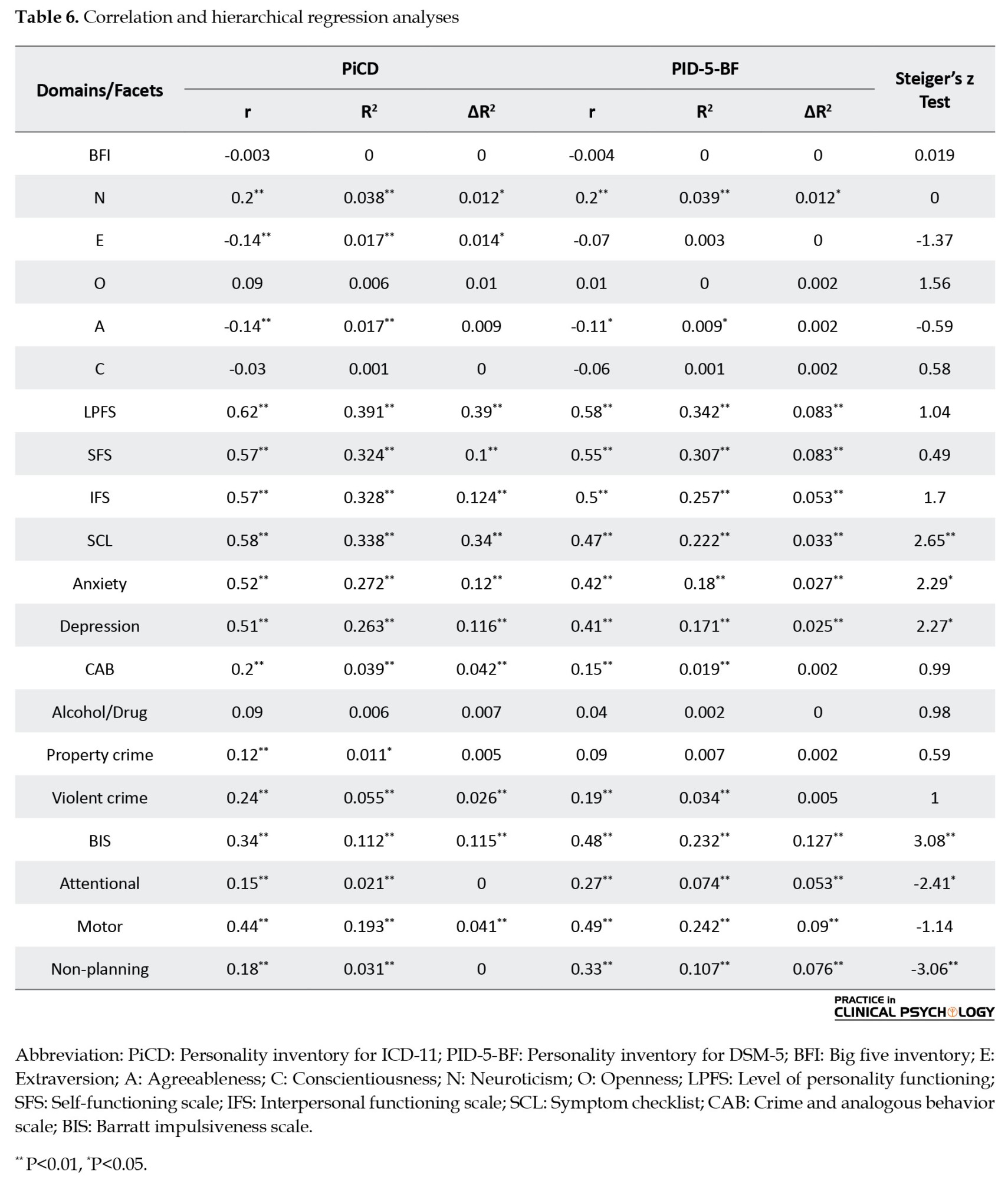
To further examine the predictive utility of the PiCD and PID-5, hierarchical regression analyses were performed. In the first step, external correlates were regressed onto PiCD, followed by PID-5 in the second step. Coefficients of determination (R²) and change coefficients (ΔR²) were calculated to determine the predictive contribution of each model. Steiger’s z-tests were used to compare the strength of correlations. The VIF and tolerance were utilized to assess the collinearity for predictive variables for models (VIF<3.88, tolerance>0.36). Results indicate that PiCD significantly predicted external correlates, including LPFS (ΔR²=0.39, P<0.001), anxiety (ΔR²=0.12, P<0.001), depression (ΔR²=0.11, P<0.001), impulsivity (ΔR²=0.12, P<0.001), and criminal behavior (ΔR²=0.04, P<0.001). PID-5 primarily predicted impulsivity (ΔR²=0.13, P<0.001), LPFS (ΔR²=0.08, P<0.001), anxiety (ΔR²=0.03, P<0.001), depression (ΔR²=0.03, P<0.001), with no significant differences between the models in predicting BFI scores except neuroticism (Δ²=0.01, P<0.001) (Table 6).
Confirmatory factor analysis
Confirmatory factor analysis (CFA) was performed using AMOS to assess the five-factor structure of the PiCD. The model showed acceptable fit indices (CMIN/df=1.44; RMSEA=0.036; CFI=0.9; IFI=0.9; GFI=0.93; AGFI=0.95; RMR=0.08). Four items (items 10, 14, 20, and 26) were removed due to factor loadings below 0.50. Item removal was based on statistical criteria and theoretical consistency.
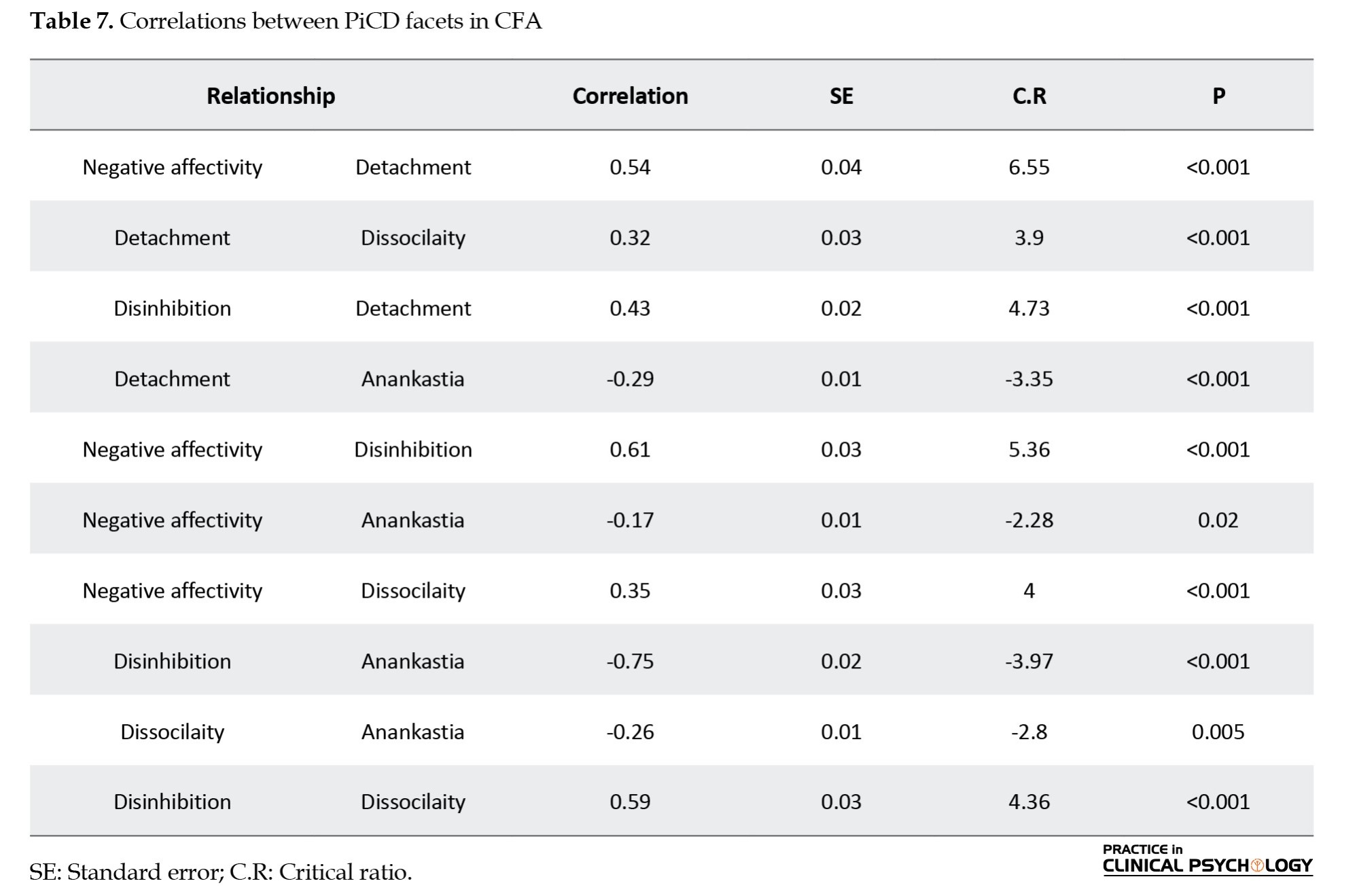
After modification, all retained items demonstrated loadings above 0.5, supporting the factorial validity of the PiCD in this sample. Table 7 presents intercorrelations among PiCD domains.
Conceptual model of PiCD
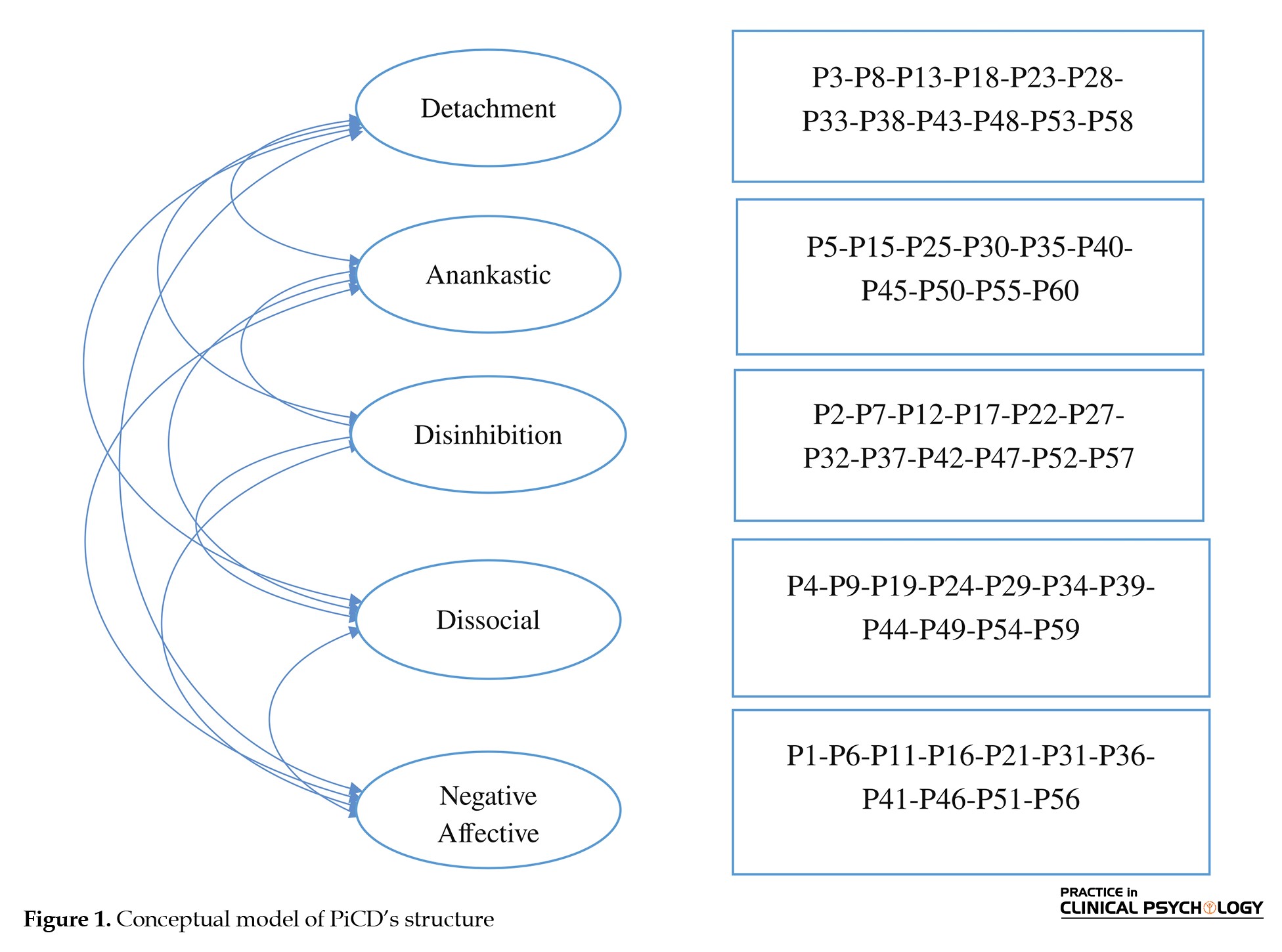
Figure 1 presents the five-factor structure of the PiCD, comprising negative affectivity, detachment, dissociality, disinhibition, and Anankastia.
Personality disorders (PDs) are common mental health conditions associated with substantial psychological, interpersonal, and functional impairments. Epidemiological evidence suggests that approximately 7–8% of the general population meet diagnostic criteria for a PD, with considerably higher rates reported among psychiatric populations (Winsper et al., 2020). PDs are also frequently associated with other psychiatric disorders and adverse psychosocial outcomes, contributing to a significant public health burden (Hayward & Moran, 2008; Köhne & Isvoranu, 2021). Consequently, the assessment and conceptualization of personality pathology have remained central concerns. Traditionally, PDs were conceptualized using categorical diagnostic systems, such as earlier editions of the diagnostic and statistical manual of mental disorders (DSM) (APA, 2013). However, persistent concerns regarding excessive diagnostic comorbidity, within-category heterogeneity, temporal instability, and limited empirical support for categorical thresholds prompted increasing interest in dimensional conceptualizations of personality pathology (Bach et al., 2015; Widiger & Trull, 2007). These developments contributed to the introduction of the alternative model for (AMPD) in DSM-5 section III (Morey et al., 2020).
Within the AMPD framework, PDs are conceptualized through two interconnected dimensions: Criterion A, which assesses impairments in self and interpersonal functioning, and criterion B, which captures maladaptive personality trait characteristics (Anderson et al., 2018). This dimensional framework has been considered a clinically and empirically informative alternative to categorical diagnosis and has contributed to contemporary perspectives on personality pathology (Hopwood et al., 2018; Lugo et al., 2019).
Parallel to these developments, the 11th edition of the international classification of diseases (ICD-11) introduced a dimensional model for PDs intended to address several limitations associated with the ICD-10 categorical approach (WHO, 2021). The ICD-11 model evaluates personality pathology in terms of severity and five maladaptive trait domains: negative affectivity, detachment, dissociality, disinhibition, and anankastia (Bach & First, 2018). Although the ICD-11 trait domains show substantial conceptual overlap with the DSM-5 AMPD trait model, notable structural differences remain, including the absence of psychoticism in ICD-11 and the inclusion of Anankastia as a distinct domain (Bach et al., 2017; Bach et al., 2018).
A number of self-report instruments have been introduced to assess these dimensional frameworks, among which the Personality Inventory for DSM-5 (PID-5) and the personality inventory for ICD-11 (PiCD) are the most widely recognized (Oltmanns, 2018). Existing research has generally supported the psychometric adequacy of these instruments across different cultural settings, including studies conducted in Iran (Abdolahpur, 2023; Amini et al., 2023; Bach et al., 2020; Fossati, 2013; Lotfi et al., 2018). Nevertheless, empirical investigations of the ICD-11 model and the PiCD remain relatively limited compared with the broader literature on the DSM-5 AMPD, particularly in non-Western populations (Gutiérrez et al., 2021; Oltmanns, 2018). Additional cross-cultural research may therefore help clarify the applicability and contextual relevance of these dimensional models across diverse settings.
Although previous research has investigated the structural features of the ICD-11 and DSM-5, comparatively limited attention has been given to their relationships with clinically meaningful external variables, including internalizing symptoms, such as anxiety and depression, as well as externalizing tendencies, such as impulsive behavior. Investigating these associations may contribute further evidence regarding the convergent and discriminant validity of dimensional personality assessment models.
Accordingly, the current study sought to evaluate the psychometric properties of the PiCD in an Iranian mixed sample and to examine its relationships with external correlates in comparison with the PID-5. Rather than evaluating the superiority of one model over another, this study aimed to provide culturally informed evidence regarding the utility and correlational patterns of ICD-11 and DSM-5 dimensional personality assessments within a non-Western context.
Materials and Methods
This cross-sectional study was conducted with the participation of 347 individuals recruited from public universities in Tehran, Iran, consisting of 206 non-clinical participants (Mage=22.26, SD=3.51; 59.22% women) and 141 participants in the help-seeking subgroup (Mage=23.69, SD=3.18; 65.95% women). To avoid overinterpretation of clinical status, the term “help-seeking subgroup” was used throughout the manuscript instead of “clinical group.” Participants in this subgroup were students who had sought psychological services at university counseling centers due to emotional, interpersonal, or behavioral concerns. Participants were not recruited based on confirmed PD diagnoses. All participants were native Persian speakers.
Participants were selected through convenience sampling using public advertisements and referrals from university counseling centers. Before participation, all individuals received information regarding the study objectives and procedures, and written informed consent was obtained prior to completion of the paper-based questionnaires. Ethical approval for the study was granted by the Research Ethics Committee of Iran University of Medical Sciences. Participation was entirely voluntary, and confidentiality of participant information was preserved throughout the research process.
Formal structured diagnostic interviews (e.g. SCID-5-PD) were not administered as part of the recruitment or assessment process. Therefore, findings related to the help-seeking subgroup should be interpreted cautiously and should not be generalized to individuals with formally diagnosed PDs. Given the relatively young age of the participants, the findings are best interpreted within the context of dimensional personality traits in young adulthood rather than stable personality pathology across the lifespan.
Study instruments
The following validated instruments were administered to assess personality traits, personality functioning, and external correlates:
Demographic form
Participants completed a short demographic questionnaire that collected information on their race, gender, and age.
Personality inventory for ICD-11
The personality inventory for ICD-11 (PiCD) (Oltmanns, 2018) is a 60-item self-report instrument developed to evaluate five maladaptive personality trait domains derived from the ICD-11 dimensional framework. Responses are scored on a 5-point Likert scale ranging from 1 (strongly disagree) to 5 (strongly agree). Previous Iranian research has reported acceptable internal consistency for the Persian version of the instrument, with Cronbach’s α values ranging from 0.73 for dissociality to 0.82 for negative affectivity (Amini et al., 2023).
Personality inventory for DSM-5–brief form
The personality inventory for DSM-5–brief form (PID-5-BF) (Krueger et al., 2012) is a 25-item self-report instrument designed to evaluate five maladaptive personality trait domains associated with the DSM-5 AMPD. Items are scored using a 4-point Likert scale ranging from 0 (very false) to 3 (very true). Prior studies have provided evidence supporting the reliability and validity of the Persian version of the PID-5-BF (Amini et al., 2018).
Big five inventory–10
The big five inventory–10 (BFI-10) (Rammstedt, 2007) is a short 10-item measure based on the five-factor model of personality. It evaluates the domains of neuroticism, extraversion, openness, agreeableness, and conscientiousness. Previous research has demonstrated acceptable psychometric characteristics, including satisfactory convergent validity and test–retest reliability. Comparable findings have also been documented in Iranian populations (Mohammad zadeh & Najafi, 2010).
Level of personality functioning scale–brief form 2.0
The level of personality functioning scale–brief form 2.0 (LPFS-BF 2.0) (Hutsebaut, 2016) is a 12-item self-report measure developed to assess personality functioning across four domains, including identity, self-direction, empathy, and intimacy. Responses are scored on a 4-point scale ranging from 1 (completely untrue) to 4 (completely true). Earlier psychometric studies have supported the reliability and construct validity of the instrument. In an Iranian sample, Ali-niyaee et al. (2024) reported satisfactory internal consistency for both self-functioning and interpersonal functioning dimensions.
Symptom checklist–25
The symptom checklist–25 (SCL-25) (Najarian, 2001) is an abbreviated form of the SCL-90 designed to evaluate general psychological symptoms in non-hospitalized psychiatric populations. Previous studies conducted in Iran have reported favorable construct validity and strong internal consistency for the Persian version of the instrument.
Barratt impulsiveness scale–11
The Barratt impulsiveness scale–11 (BIS-11) (Patton et al., 1995) is a well-established instrument used to assess impulsivity across three domains: attentional impulsivity, motor impulsivity, and non-planning impulsivity. The Persian version of the scale has demonstrated adequate reliability and support for its three-factor structure (Javid et al., 2012).
Crime and analogous behavior scale
The crime and analogous behavior scale (CAB) (Miller & Lynam, 2003) is a self-report measure designed to assess externalizing and antisocial behaviors. In the present study, two composite indices were derived, including a lifetime drug-use variety score and an antisocial behavior variety score. Higher scores indicated greater endorsement of externalizing behaviors.
Statistical analysis
Descriptive statistics, including means, standard deviations, Cronbach’s α and McDonald’s omega, were computed for all study variables. Pearson correlation analyses were performed to examine the relationships among PiCD domains, PID-5 traits, and external correlates. Hierarchical regression analyses were conducted to assess the predictive contributions of PiCD and PID-5 domains. In addition, confirmatory factor analysis (CFA) was carried out to evaluate the factorial structure of the PiCD.
Because only a small number of responses were missing for three CAB items, missing values were replaced using mean substitution procedures (Schumacker, 2014). All statistical analyses were conducted using SPSS software, version 23, AMOS software, version 24, and R software, version 4.0.
Results
Descriptive analysis
Table 1 presents the sociodemographic characteristics of the study sample, including age, education level, and marital status.
The total sample consisted of 347 participants (61.9% women) with a Mean±SD age of 22.84±3.71 years. The non-clinical group included 206 participants, while 141 participants were recruited from university counseling centers and classified as a help-seeking group (not formally diagnosed clinical cases). The two groups showed broadly similar distributions across educational level and marital status.
Table 2 presents descriptive statistics for PID-5-BF and PiCD domains in both non-clinical and help-seeking subgroups.
Internal consistency
Internal consistency was evaluated using Cronbach’s α and McDonald’s omega coefficients. For the PiCD, alpha coefficients ranged from 0.7 (dissociality) to 0.84 (negative affectivity), with an overall alpha of 0.83. Omega coefficients indicated similar levels of reliability (ω=0.8 overall). For the PID-5-BF, alpha coefficients ranged from 0.67 (psychoticism) to 0.76 (detachment), with an overall alpha of 0.86. Omega coefficients also indicated acceptable reliability (ω=0.88). In overall, both instruments showed acceptable levels of internal consistency in the present sample
Correlation analysis
Pearson correlation analyses were performed to assess the associations between PiCD and PID-5-BF domains and external variables, including Big Five personality traits, personality functioning, psychological symptoms, impulsivity, and externalizing behaviors.
In Table 3 scale statistics and reliability indices for the PiCD and PID-5-BF.
As shown in Tables 4 and 5, PiCD domains were significantly associated with personality functioning (LPFS-BF), psychological symptoms (SCL-25), and impulsivity (BIS-11).
In general, stronger associations were observed with personality dysfunction and distress-related variables. Similarly, PID-5-BF domains showed significant associations with these external correlates.
Overall, both instruments showed broadly similar patterns of associations, with some differences in effect sizes across domains.
Hierarchical regression analysis
To further examine the predictive utility of the PiCD and PID-5, hierarchical regression analyses were performed. In the first step, external correlates were regressed onto PiCD, followed by PID-5 in the second step. Coefficients of determination (R²) and change coefficients (ΔR²) were calculated to determine the predictive contribution of each model. Steiger’s z-tests were used to compare the strength of correlations. The VIF and tolerance were utilized to assess the collinearity for predictive variables for models (VIF<3.88, tolerance>0.36). Results indicate that PiCD significantly predicted external correlates, including LPFS (ΔR²=0.39, P<0.001), anxiety (ΔR²=0.12, P<0.001), depression (ΔR²=0.11, P<0.001), impulsivity (ΔR²=0.12, P<0.001), and criminal behavior (ΔR²=0.04, P<0.001). PID-5 primarily predicted impulsivity (ΔR²=0.13, P<0.001), LPFS (ΔR²=0.08, P<0.001), anxiety (ΔR²=0.03, P<0.001), depression (ΔR²=0.03, P<0.001), with no significant differences between the models in predicting BFI scores except neuroticism (Δ²=0.01, P<0.001) (Table 6).
Confirmatory factor analysis
Confirmatory factor analysis (CFA) was performed using AMOS to assess the five-factor structure of the PiCD. The model showed acceptable fit indices (CMIN/df=1.44; RMSEA=0.036; CFI=0.9; IFI=0.9; GFI=0.93; AGFI=0.95; RMR=0.08). Four items (items 10, 14, 20, and 26) were removed due to factor loadings below 0.50. Item removal was based on statistical criteria and theoretical consistency.
After modification, all retained items demonstrated loadings above 0.5, supporting the factorial validity of the PiCD in this sample. Table 7 presents intercorrelations among PiCD domains.
Conceptual model of PiCD
Figure 1 presents the five-factor structure of the PiCD, comprising negative affectivity, detachment, dissociality, disinhibition, and Anankastia.
Discussion
The present study sought to investigate the factorial structure of the ICD-11 model of PDs, to evaluate the psychometric properties of the Persian version of the PiCD, and to compare its external correlates with those of the personality inventory for DSM-5 (PID-5). The research was conducted in an Iranian university-based sample comprising both non-clinical and help-seeking participants, thereby contributing to the expanding literature on dimensional models of personality pathology in non-Western cultural contexts.
Novelty and context of the study
The ICD-11 model of PDs constitutes a relatively recent advancement within the field of psychopathology, and empirical research on its operationalization through instruments, such as the PiCD is still evolving. Existing studies have primarily focused on initial translation and psychometric evaluation in Western and a limited number of non-Western contexts (Bach et al., 2018; Gaebel, 2017).
Cross-cultural validation remains an important issue in personality assessment, as emphasized in previous comparative research on DSM-5 and ICD-11 trait models (Lugo etal., 2019). In this regard, the present study provides preliminary evidence regarding the applicability of the PiCD in an Iranian sample, extending previous findings reported in Iranian and related cultural contexts (Lotfi et al., 2018; Amini et al., 2023). However, these findings should be interpreted as context-specific evidence rather than definitive validation of the model.
Psychometric properties of the PiCD
The results demonstrated acceptable internal consistency for the total PiCD scale and its domains, with Cronbach’s α coefficients ranging from 0.70 to 0.84, while McDonald’s omega values indicated comparable levels of reliability. These findings align with previous psychometric studies of the PiCD conducted in other cultural contexts (Gutiérrez et al., 2021).
The PID-5-BF similarly demonstrated adequate reliability, although slight differences in internal consistency between instruments may reflect differences in scale length and item coverage rather than substantive differences in construct validity (Fossati et al., 2013). Therefore, reliability comparisons should be interpreted cautiously.
External correlates and convergent validity
Correlation analyses demonstrated that PiCD domains were meaningfully associated with personality functioning, psychological distress, impulsivity, and externalizing behaviors. These associations are consistent with the theoretical assumptions of the ICD-11 trait model as well as prior empirical findings (Bach & First, 2018; Amini et al., 2023).
Similar patterns were observed for PID-5-BF, indicating substantial convergence between ICD-11 and DSM-5 trait frameworks in their nomological networks (Bach et al., 2017). Associations with five-factor model traits further provided support for convergent validity, particularly for domains, such as negative affectivity and disinhibition (Bach et al., 2018).
Overall, the results suggest that both models capture similar underlying dimensions of maladaptive personality traits, although differences in effect sizes should not be interpreted as evidence of superiority of one model over the other.
Personality functioning and model integration
Both PiCD and PID-5-BF domains were significantly associated with levels of personality functioning (LPFS-BF), in line with previous research linking pathological personality traits to impairments in self and interpersonal functioning (Hopwood et al., 2018; Hutsebaut et al., 2016).
PID-5-BF domains exhibited slightly stronger associations with personality functioning in the present sample. This pattern may be attributable to conceptual overlap between criterion A and criterion B within the DSM-5 AMPD (Anderson et al., 2018), whereas, in contrast, the ICD-11 model conceptualizes severity and trait expression within a unified framework (Bach & Hutsebaut, 2018; Bach et al, 2017).
From a clinical perspective, the ICD-11 approach may offer a more parsimonious structure by linking trait expression directly to severity of dysfunction. However, the present findings do not provide sufficient evidence to support claims of superior clinical utility for either model.
Factor structure of the PiCD
CFA supported the five-factor structure of the PiCD, including negative affectivity, detachment, dissociality, disinhibition, and Anankastia. Model fit indices indicated acceptable fit across the total sample and subgroup analyses, consistent with previous validation studies of the ICD-11 trait model (Bach et al., 2018; Oltmanns & Widiger, 2018).
Although several items were removed due to low factor loadings, the overall structure remained stable. However, as cross-validation was not conducted in an independent sample, these findings should be interpreted as preliminary evidence of structural validity in an Iranian university-based sample.
Despite the promising findings, several limitations of the study should be acknowledged. First, the use of a university-based and help-seeking sample limits generalizability to clinically diagnosed PD populations. Second, the relatively young age of participants restricts conclusions regarding stable personality pathology across adulthood. Third, the exclusive use of self-report measures may have introduced shared method variance, particularly for sensitive constructs, such as antisocial behavior and substance use. Fourth, the use of brief measures, such as the BFI-10 may have limited the precision of normal personality assessment. Thus, future studies are encouraged to overcome these limitations by utilizing clinically diagnosed samples, applying multi-method assessment approaches, and incorporating more comprehensive personality inventories. In addition, longitudinal and cross-cultural research will be particularly valuable for clarifying the stability and generalizability of ICD-11 trait models.
Conclusion
Overall, the findings support the general applicability of the ICD-11 PD model in a non-Western context. The PiCD demonstrated acceptable reliability and construct validity, with patterns of associations broadly consistent with theoretical expectations.
Rather than indicating superiority over PID-5-BF, the results suggest that both instruments provide complementary perspectives on maladaptive personality traits, with overlapping but not identical patterns of associations across external criteria.
These results add to the accumulating body of evidence supporting dimensional models of personality pathology and underscore the need for continued cross-cultural investigations. Nevertheless, interpretations related to clinical application should be made cautiously in light of the characteristics of the study sample.
Ethical Considerations
Compliance with ethical guidelines
This study was approved by the Research Ethics Committee of Iran University of Medical Sciences, Tehran, Iran (Code: IR.IUMS.REC.1399.1355). All participants provided written informed consent prior to the commencement of the study.
Funding
This research did not receive any grant from funding agencies in the public, commercial, or non-profit sectors.
Authors' contributions
All authors contributed equally to the conception and design of the study, data collection and analysis, interpretation of the results, and drafting of the manuscript. Each author approved the final version of the manuscript for submission.
Conflict of interest
The authors declared no conflicts of interest.
Acknowledgments
The authors gratefully acknowledge the study respondents and the undergraduate students who contributed to the collection of information. Special thanks are extended to the research team members who contributed to the study design and implementation.
References
Abdolahpur, M. A., Rahmani, F., & Isa-Najad, O. (2023). [The mediating influence of stress on personality traits (B) and personality functioning (A) within the alternative model of personality disorders (AMPD) (Persian)]. Journal of Arak University of Medical Sciences, 26(4), 30-36. [Link]
Ali-niyaee, S., Lotfi, M., & Shariat, V. (2024). [Investigation and analysis of personality dysfunction in Persian-language active users of Twitter (Persian)]. MSc thesis. Tehran: Iran University of Medical Sciences.
American Psychiatric Association. (2013). Diagnostic and statistical manual of mental disorders: DSM-5 (Vol. 5). Washington, DC: American Psychiatric Association. [DOI:10.1176/appi.books.9780890425596]
Amini, M., Abdolahpur, M., Lotfi, M., & Masoumian, S. (2023). [Psychometric properties of personality inventory for icd-11: adaptation, reliability, validity, and factorial structure in an Iranian sample (Persian)]. Journal of Ilam University of Medical Sciences, 31(2), 97-109. [Link]
Amini, M., Lotfi, M., Sadeghi, S., & Khorrami, Z. (2018). [Structure and internal consistency evaluation of personality inventory for DSM-5 in an Iranian population (Persian)]. Koomesh Journal, 21(1), 102-108. [Link]
Amini, M., Roshanpajouh, M., Hamraz, I., & Abdolahpur, M. A. (2023). The role of personality traits, personality functioning, traumatic life events, and emotion-regulation difficulties in predicting polysubstance use. Practice in Clinical Psychology, 11(1), 35-44. [DOI:10.32598/jpcp.11.1.854.2]
Anderson, J. L., & Sellbom, M. (2018). Evaluating the DSM-5 Section III personality disorder impairment criteria. Personality Disorders, 9(1), 51–61. [DOI:10.1037/per0000217] [PMID]
Bach, B., Bo, S., & Keeley, J. W. (2022). Diagnostic systems and models: DSM-5 Criteria, ICD-11 guidelines, and dimensional horizons. In G. J. G. Asmundson (Ed.). Comprehensive Clinical Psychology (pp. 36-58). Amsterdam: Elsevier. [DOI:10.1016/B978-0-12-818697-8.00111-4]
Bach, B., & First, M. B. (2018). Application of the ICD-11 classification of personality disorders. BMC Psychiatry, 18(1), 351. [DOI:10.1186/s12888-018-1908-3] [PMID]
Bach, B., Kerber, A., Aluja, A., Bastiaens, T., Keeley, J. W., & Claes, L., et al. (2020). International assessment of dsm-5 and ICD-11 personality disorder traits: toward a common nosology in DSM-5.1. Psychopathology, 53(3-4), 179-188. [DOI:10.1159/000507589] [PMID]
Bach, B., Sellbom, M., Skjernov, M., & Simonsen, E. (2018). ICD-11 and DSM-5 personality trait domains capture categorical personality disorders: Finding a common ground. The Australian and New Zealand Journal of Psychiatry, 52(5), 425–434. [DOI:10.1177/0004867417727867] [PMID]
Bach, B., Sellbom, M., Kongerslev, M., Simonsen, E., Krueger, R. F., & Mulder, R. (2017). Deriving ICD-11 personality disorder domains from dsm-5 traits: Initial attempt to harmonize two diagnostic systems. Acta Psychiatrica Scandinavica, 136(1), 108-117. [DOI:10.1111/acps.12748] [PMID]
Fossati, A., Krueger, R. F., Markon, K. E., Borroni, S., & Maffei, C. (2013). Reliability and validity of the personality inventory for DSM-5 (PID-5) predicting DSM-IV personality disorders and psychopathy in community-dwelling Italian adults. Assessment, 20(6), 689-708. [DOI:10.1177/1073191113504984] [PMID]
Gaebel, W., Zielasek, J., & Reed, G. M. (2017). Mental and behavioural disorders in the ICD-11: Concepts, methodologies, and current status. Psychiatria Polska, 51(2), 169–195. [DOI:10.12740/PP/69660] [PMID]
Gutiérrez, F., Aluja, A., Ruiz, J., García, L. F., Gárriz, M., & Gutiérrez-Zotes, A., et al. (2021). Personality disorders in the ICD-11: Spanish validation of the PiCD and the SASPD in a mixed community and clinical sample. Assessment, 28(3), 759–772.[DOI:10.1177/1073191120936357] [PMID]
Hayward, M., & Moran, P. (2008). Comorbidity of personality disorders and mental illnesses. Psychiatry, 7(3), 102-104. [DOI:10.1016/j.mppsy.2008.01.010]
Hopwood, C. J., Kotov, R., Krueger, R. F., Watson, D., Widiger, T. A., & Althoff, R. R., et al. (2018). The time has come for dimensional personality disorder diagnosis. Personality and Mental Health, 12(1), 82-86. [DOI:10.1002/pmh.1408] [PMID]
Hutsebaut, J., Feenstra, D. J., & Kamphuis, J. H. (2016). Development and preliminary psychometric evaluation of a brief self-report questionnaire for the assessment of the DSM-5 level of personality functioning scale: The LPFS brief form (LPFS-BF). Personality Disorders, 7(2), 192-197. [DOI:10.1037/per0000159] [PMID]
Javid, M., Mohammadi, N., & Rahimi, C. (2012). [Psychometric properties of an Iranian version of the Barratt impulsiveness scale-11 (BIS-11) (Persian)]. Psychological Models and Methods, 2(8), 23-34. [Link]
Köhne, A. C. J., & Isvoranu, A.-M. (2021). A network perspective on the comorbidity of personality disorders and mental disorders: an illustration of depression and borderline personality disorder. Frontiers in Psychology, 12, 680805. [DOI:10.3389/fpsyg.2021.680805] [PMID]
Krueger, R. F., Derringer, J., Markon, K. E., Watson, D., & Skodol, A. E. (2012). Initial construction of a maladaptive personality trait model and inventory for DSM-5. Psychological Medicine, 42(9), 1879–1890. [DOI:10.1017/S0033291711002674] [PMID]
Lotfi, M., Bach, B., Amini, M., & Simonsen, E. (2018). Structure of DSM-5 and ICD-11 personality domains in Iranian community sample. Personality and Mental Health, 12(2), 155-169. [DOI:10.1002/pmh.1409] [PMID]
Lugo, V., de Oliveira, S. E. S., Hessel, C. R., Monteiro, R. T., Pasche, N. L., & Pavan, G., et al. (2019). Evaluation of DSM-5 and ICD-11 personality traits using the personality inventory for DSM-5 (PID-5) in a Brazilian sample of psychiatric inpatients. Personality and Mental Health, 13(1), 24-39. [DOI:10.1002/pmh.1436] [PMID]
Miller, J. D., & Lynam, D. R. (2003). Psychopathy and the five-factor model of personality: A replication and extension. Journal of Personality Assessment, 81(2), 168–178. [DOI:10.1207/S15327752JPA8102_08] [PMID]
Mohammadzadeh, A., & Najafi, M. (2010). [Validating of the big five inventory (BFI-10): A very brief measure of the five factor personality model (Persian)]. Quarterly of Educational Measurement, 1(2), 117-130. [Link]
Morey, L. C., Good, E. W., & Hopwood, C. J. (2022). Global personality dysfunction and the relationship of pathological and normal trait domains in the DSM-5 alternative model for personality disorders. Journal of Personality, 90(1), 34–46. [DOI:10.1111/jopy.12560] [PMID]
Najarian, B., & Davoodi, I. (2001). Construction and validation of a short form of the SCL-90-R (SCL-25). Journal of Psychology, 18, 250-261. [Link]
Oldham, J. M. (2015). The alternative DSM-5 model for personality disorders. World Psychiatry, 14(2), 234-236. [DOI:10.1002/wps.20232] [PMID]
Oltmanns, J. R., & Widiger, T. A. (2018). A self-report measure for the ICD-11 dimensional trait model proposal: The personality inventory for ICD-11. Psychological Assessment, 30(2), 154–169. [DOI:10.1037/pas0000459] [PMID]
Patton, J. H., Stanford, M. S., & Barratt, E. S. (1995). Factor structure of the Barratt impulsiveness scale. Journal of Clinical Psychology, 51(6), 768–774. [DOI:10.1002/1097-4679(199511)51:63.0.CO;2-1] [PMID]
Rammstedt, B., & John, O. P. (2007). Measuring personality in one minute or less: A 10-item short version of the big five inventory in English and German. Journal of Research in Personality, 41(1), 203-212. [DOI:10.1016/j.jrp.2006.02.001]
Schumacker, R. E. (2014). Learning statistics using R. New York City: Sage Publications. [Link]
Widiger, T. A., & Trull, T. J. (2007). Plate tectonics in the classification of personality disorder: Shifting to a dimensional model. The American Psychologist, 62(2), 71–83. [DOI:10.1037/0003-066X.62.2.71] [PMID]
Winsper, C., Bilgin, A., Thompson, A., Marwaha, S., Chanen, A. M., & Singh, S. P., et al. (2020). The prevalence of personality disorders in the community: A global systematic review and meta-analysis. The British Journal of Psychiatry: The Journal of Mental Science, 216(2), 69–78. [DOI:10.1192/bjp.2019.166] [PMID]
World Health Organization. (2021). International statistical classification of diseases and related health problems (ICD). Geneva: World Health Organization. [Link]
Type of Study: Original Research Article |
Subject:
Psychometric
| Rights and permissions | |
 |
This work is licensed under a Creative Commons Attribution-NonCommercial 4.0 International License. |

This is an open access article distributed under the terms of the Creative Commons Attribution-NonCommercial 4.0 (CC-By-NC 4.0), which permits use, distribution, and reproduction in any medium, provided the original work is properly cited and is not used for commercial purposes.
Contact Information